V23The retro-stylish, boxy electric city car
Bring joy to every ride in the iCAR V23 — a 100% electric retro-style car with a bold BOXY design, built to match your journey and your style.
Register your interest


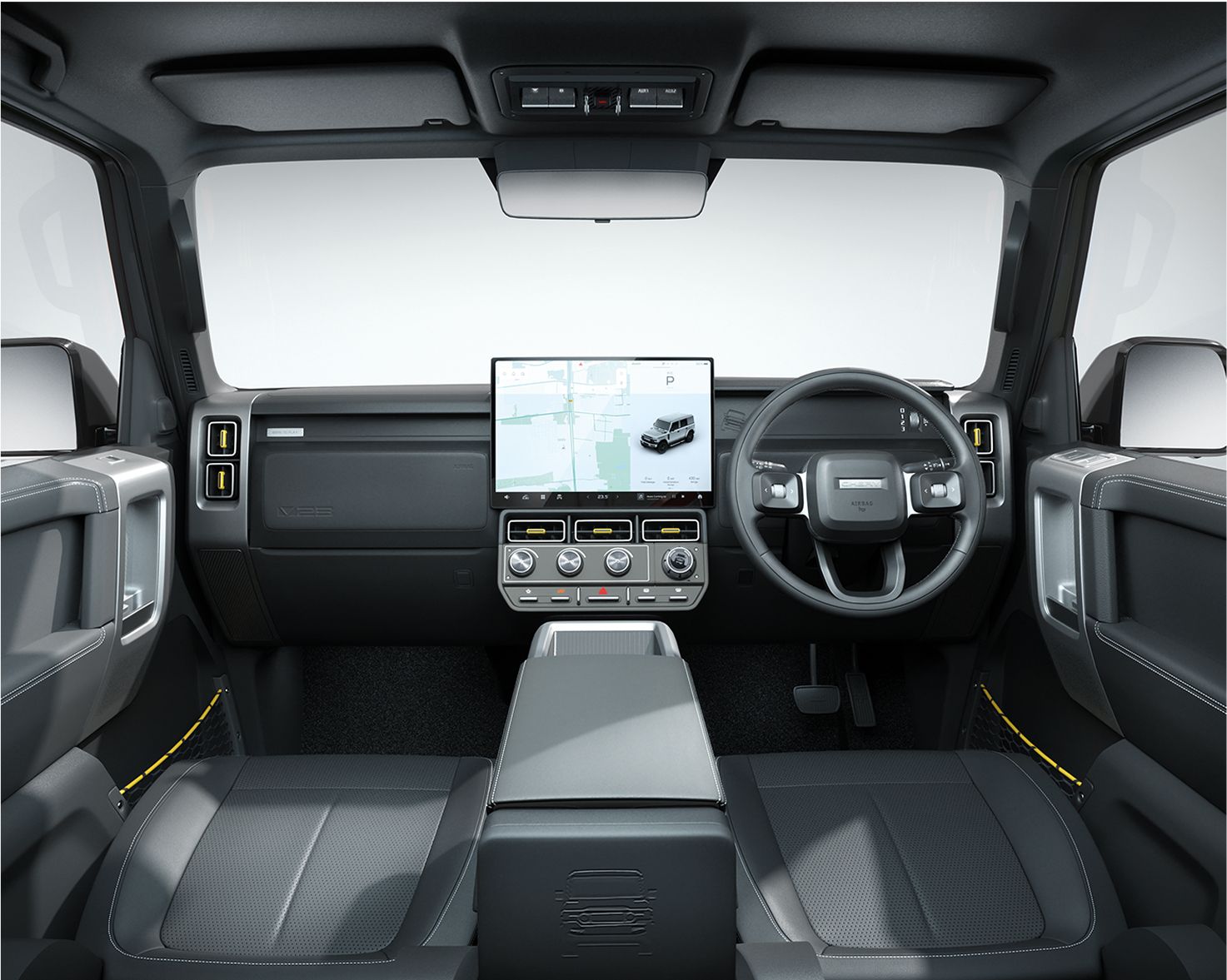
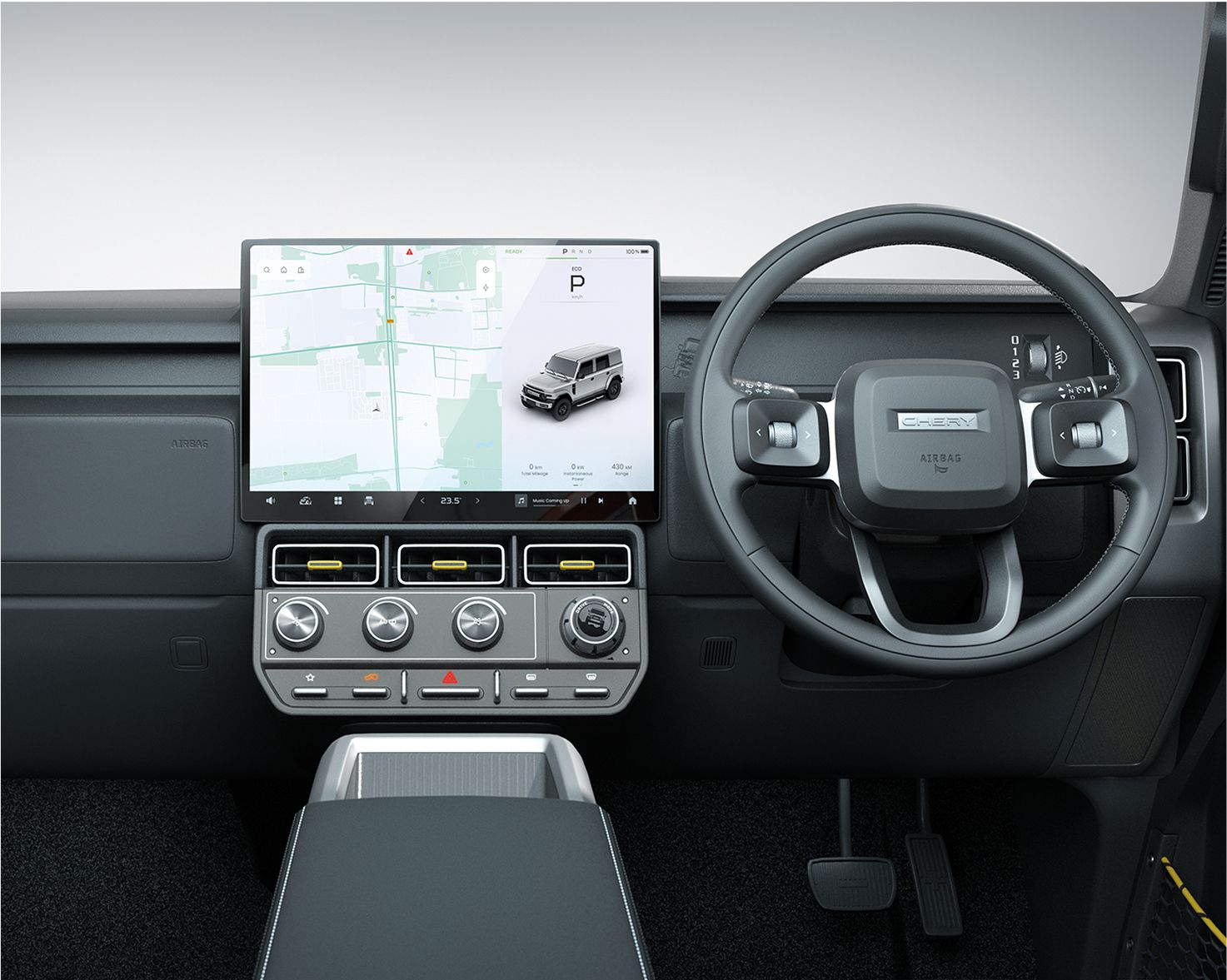
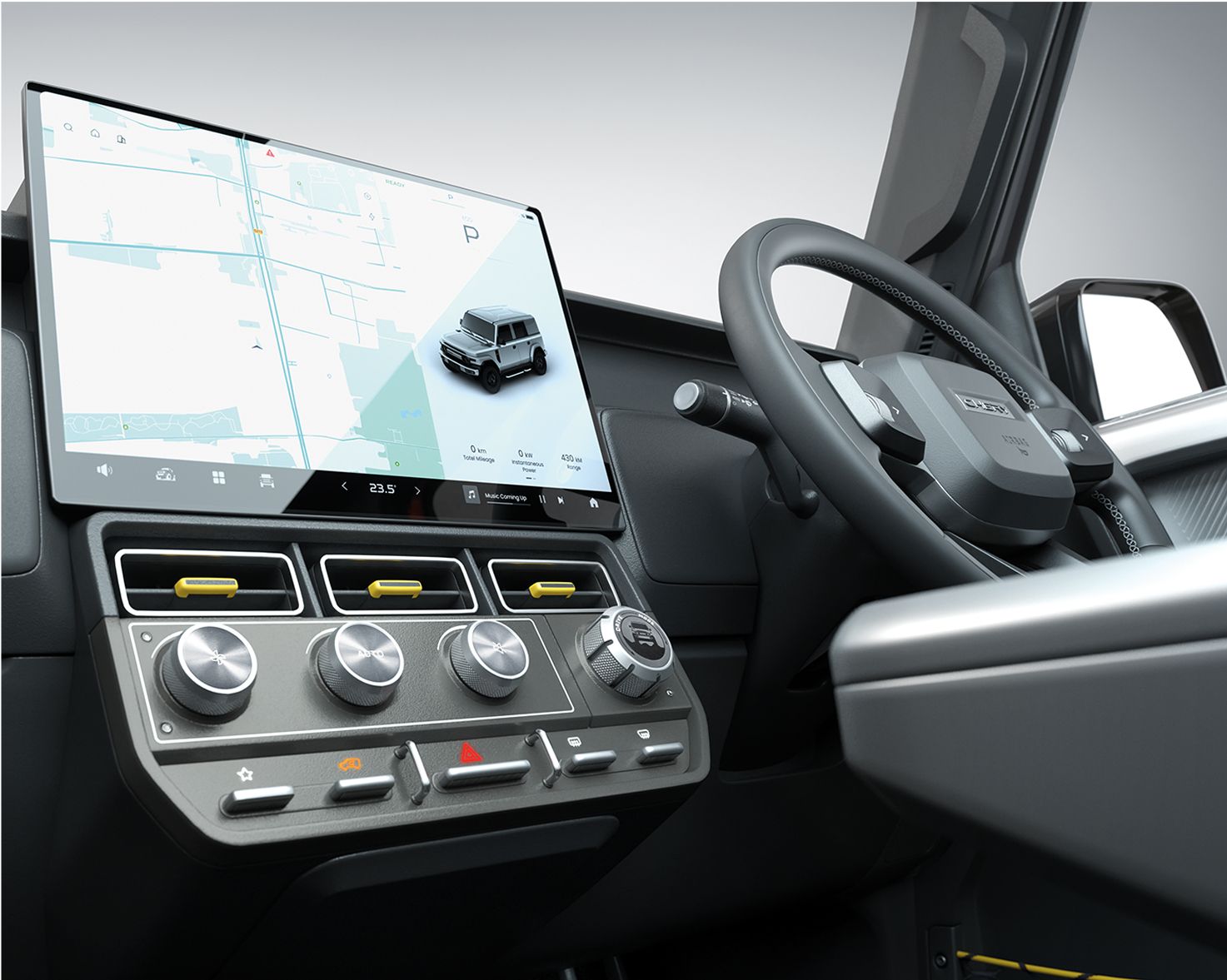
Play hard, relax more
Enjoy wide-open visibility, a high-roof design, and practical features that make every drive more enjoyable.
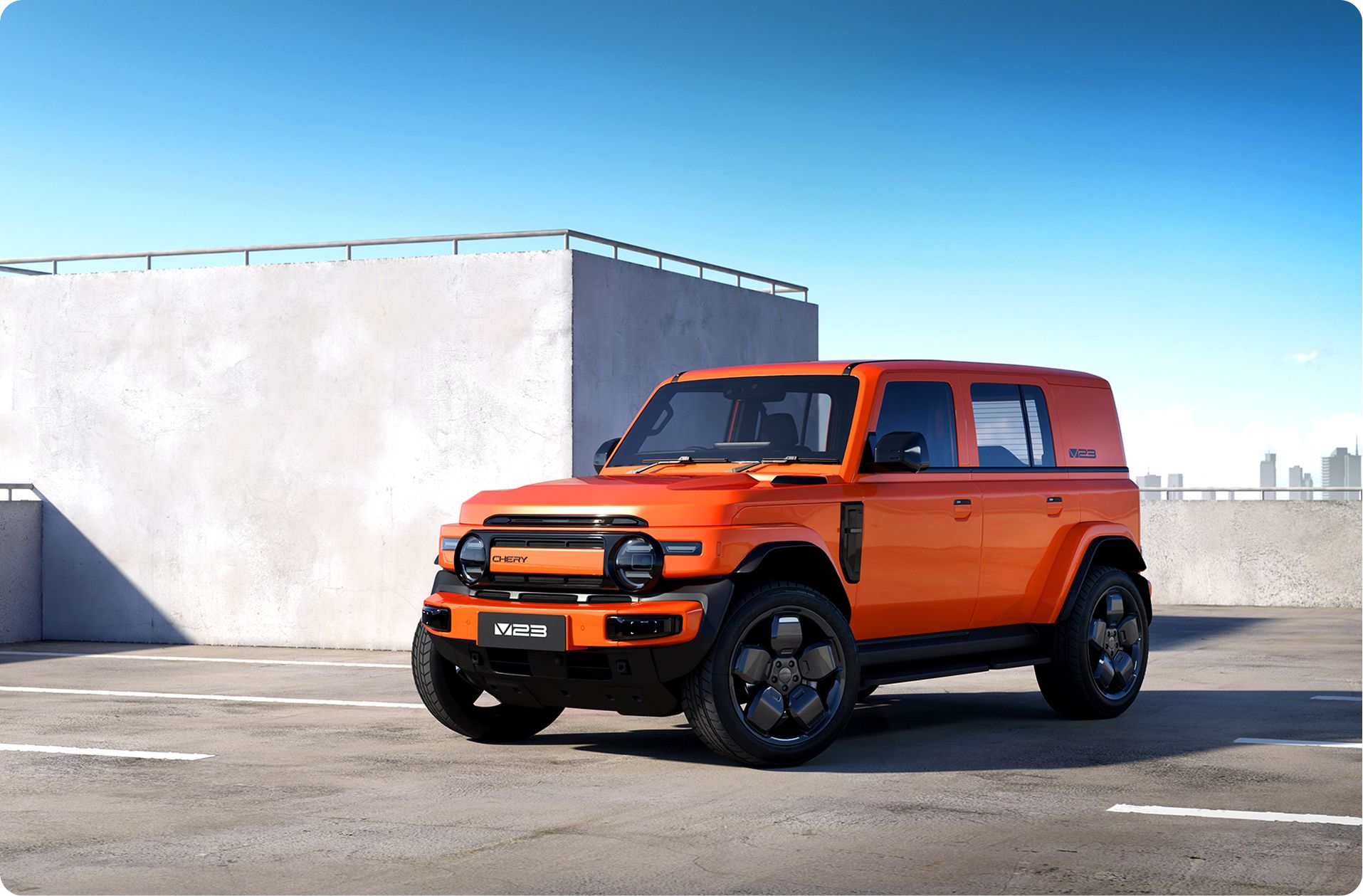
Unique boxy design
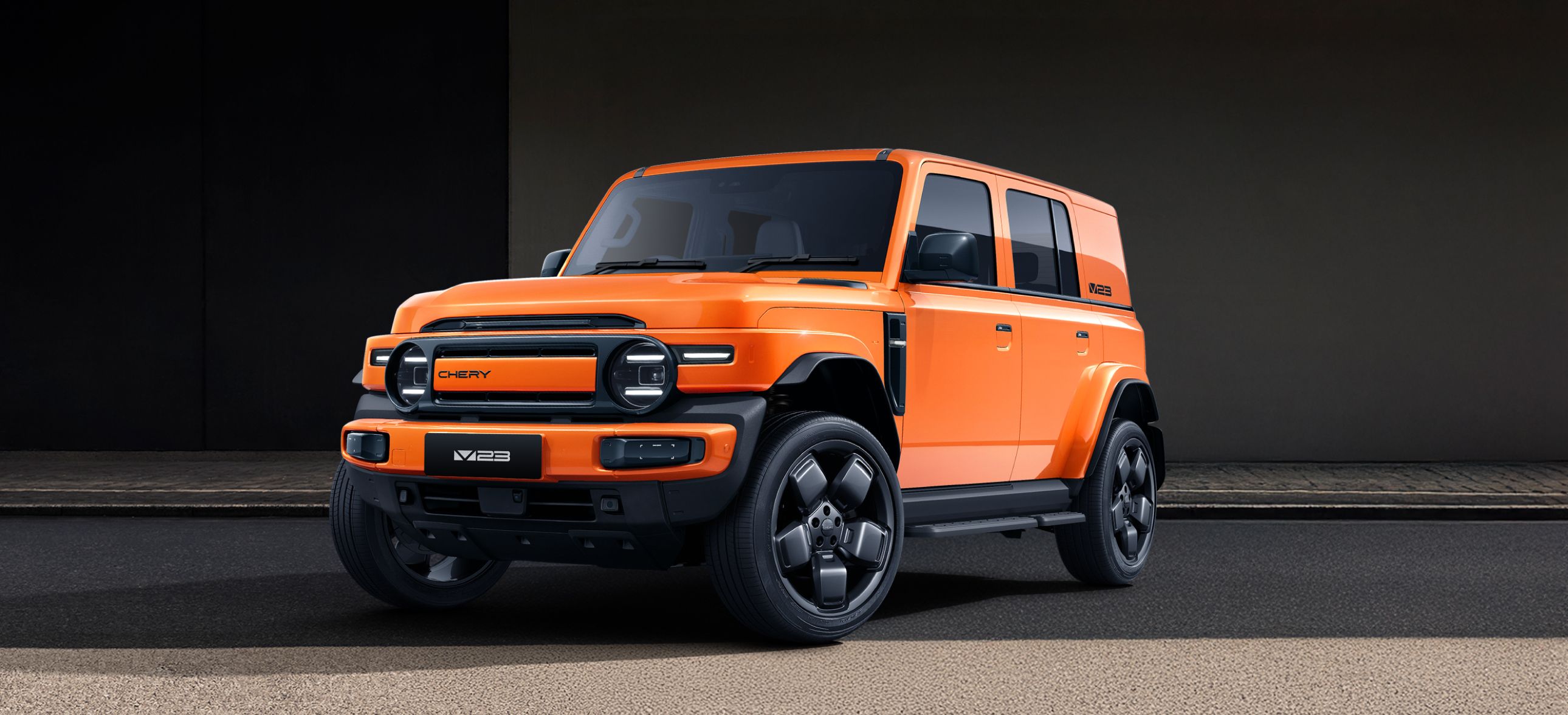
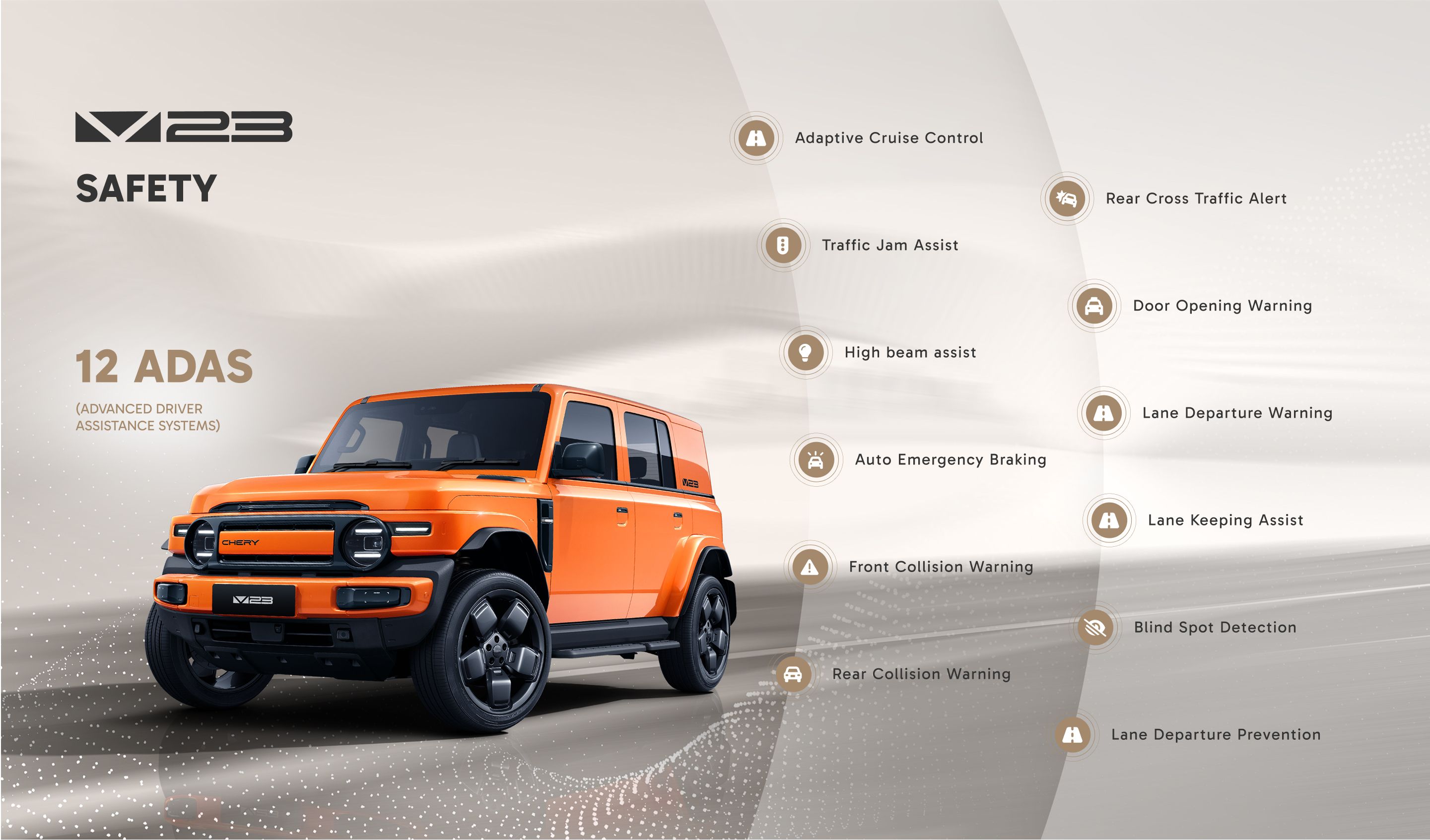
Pick the shade that fits your vibe and makes every drive uniquely yours

Color Options : Vibe Orange
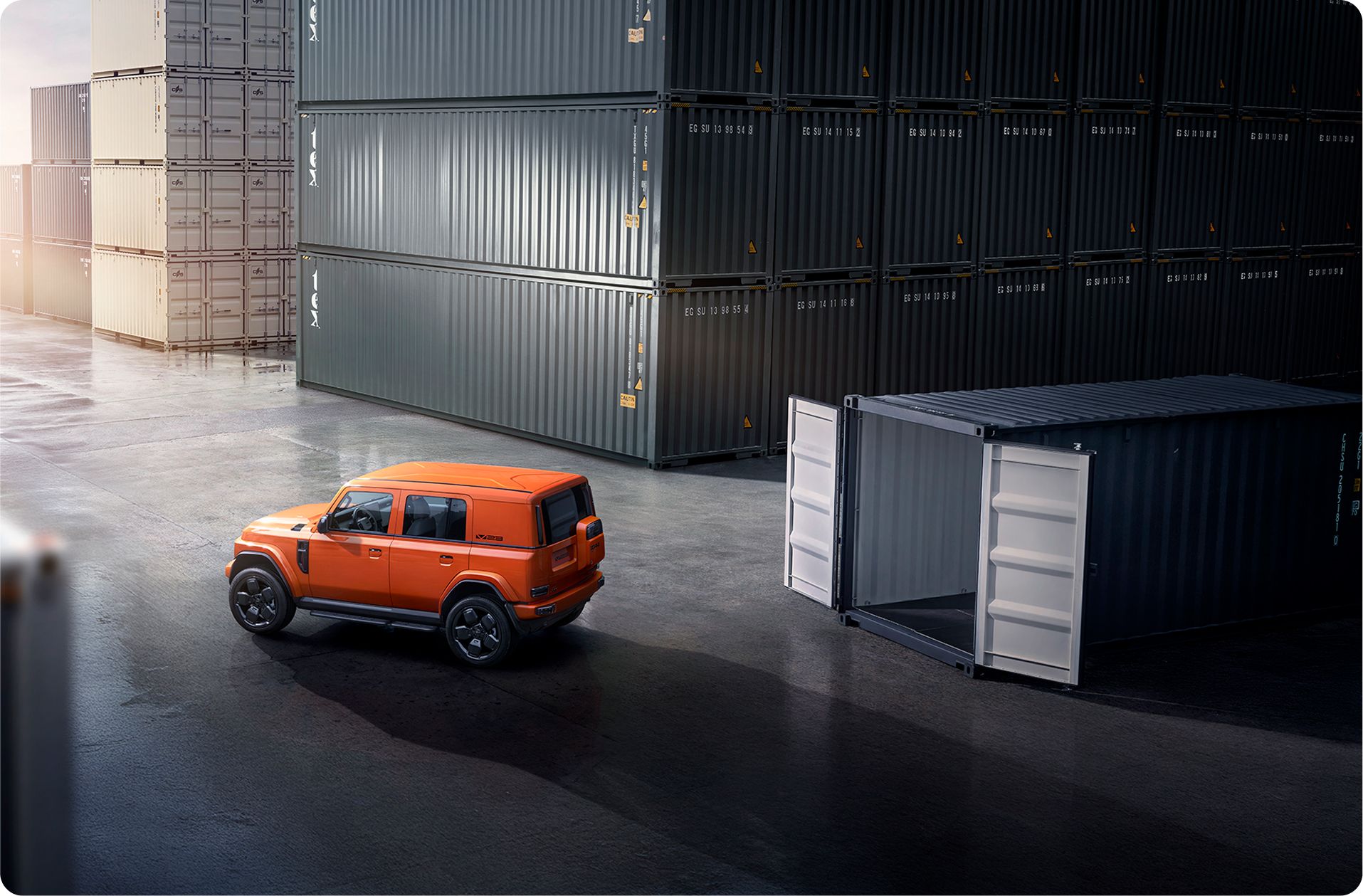
Moments gallery



Written overview: the V23 in Indian conditions
The V23 is a 100% battery-electric compact SUV with a deliberately boxy, retro-styled body — 4,220 mm long, 1,915 mm wide and 1,845 mm tall. Those proportions are the story. A tall, square body on a compact footprint means far more headroom and visibility than the length suggests, and it means the battery can sit flat under the floor without pushing the seating position uncomfortably high, which is the compromise that spoils many converted city EVs.
The powertrain is quoted at 211 PS and 292 Nm with a 0–100 km/h time of 7.5 seconds, offered in both two- and four-wheel-drive configurations, with a maximum NEDC range of 430 km. NEDC is the most optimistic of the common cycles, so the honest Indian expectation is materially lower: roughly 300–340 km in mixed city use on the two-wheel-drive version, and closer to 240–270 km at a sustained 100 km/h with the air conditioning working through a north Indian summer. The four-wheel-drive version trades perhaps 8–10% of that for traction.
On battery chemistry, a pack in this size and price band is very likely LFP, and for India that is the right answer. LFP tolerates being charged to 100% nightly, which suits a car whose owner charges at home and drives 40 km a day, and it degrades more gracefully across many shallow cycles than NMC does. It is also less energy-dense and less happy in genuine cold, which matters if the car will live in Shimla rather than Chennai. The practical consequence is that V23 owners should charge to full regularly — with LFP, a weekly 100% charge is what keeps the state-of-charge estimate honest, the opposite of the advice given for NMC cars.
Charging infrastructure compatibility is where a car like this is easy to live with. A pack in this class takes a 7.4 kW AC wall box overnight comfortably, which is all most owners will ever need, and DC fast charging exists for the occasional long drive rather than as the primary method. Twelve ADAS functions — adaptive cruise, autonomous emergency braking, blind-spot detection and lane-keeping among them — put it level with the segment rather than ahead of it, and the boxy body's excellent outward visibility arguably does more for everyday safety in Indian traffic than any of them.
How the V23 compares with its rivals
The V23 competes in India's most crowded electric segment, where every rival is a conventionally styled crossover. Its case rests on being the one that looks like nothing else, without giving up the fundamentals.
| iCAR V23 | Mahindra BE 6 | MG Windsor EV | Tata Nexon EV | |
|---|---|---|---|---|
| Body style | Boxy retro SUV | Coupe-style SUV | Crossover MPV | Compact SUV |
| Length | 4,220 mm | 4,371 mm | 4,295 mm | 3,995 mm |
| Height | 1,845 mm | 1,627 mm | 1,677 mm | 1,620 mm |
| Peak power | 211 PS | 231 PS (79 kWh) | 136 PS | 144 PS (LR) |
| 0–100 km/h | 7.5 s | 6.7 s | ~10 s | ~8.9 s |
| Claimed range | 430 km (NEDC) | up to 682 km (MIDC) | up to 449 km (MIDC) | up to 489 km (MIDC) |
| Drivetrain | 2WD and 4WD | RWD | FWD | FWD |
| Indicative price band | ₹18–20 lakh | ₹18.9–26.9 lakh | ₹14–18 lakh | ₹12.5–17.2 lakh |
Pros & cons
What works in its favour
- The boxy body is a genuine functional advantage, not just styling — headroom, outward visibility and a square boot are all better than the footprint implies.
- 211 PS and 7.5 seconds to 100 km/h make it quick for the class, and the optional four-wheel drive is rare at this price.
- Expected LFP chemistry suits Indian heat and daily full charging, and should hold capacity well across an eight-year ownership.
- A pack of this size charges fully overnight on a standard 7.4 kW home wall box, so DC fast charging is optional rather than essential.
- In a segment where every rival looks broadly the same, distinctive design is a real ownership pleasure and may help residuals.
What to weigh carefully
- 430 km is an NEDC figure; budget 300–340 km in realistic Indian mixed use and less again on the highway in summer.
- A tall, boxy body pays an aerodynamic penalty that shows up precisely where EVs are weakest — sustained highway speed.
- Price positioning around ₹18–20 lakh puts it against established rivals with deeper service networks and better-understood resale.
- Compact footprint means rear-seat legroom and boot volume are city-car figures, not family-tourer ones.
- Cold-weather range loss will be more noticeable than on an NMC-packed rival if the car lives at altitude.
Final India specification, battery chemistry, pricing and variant mix were not officially confirmed at the time of writing. Figures for rivals are manufacturer claims on differing test cycles.
Related reading: charging practices for Indian summer temperatures and the full AC vs DC charging cost breakdown.
Disclaimer
This website (jswmotorsindia.com) is an independent, unofficial news and enthusiast portal. It is not affiliated with, authorised by, endorsed by, sponsored by or connected in any way to JSW Group, JSW MG Motor India, MG Motor, Chery, Jetour, Jaecoo or any of their subsidiaries. All company names, model names, trademarks and logos are the property of their respective owners and are used here for identification and descriptive purposes only.
Be first in line for the V23
Register your interest and we'll keep you posted as the V23 nears its India launch. Free interest registry — no bookings, no deposits.
Register your interest