Sub-20 Lakh vs Premium EV Segments: Where Does JSW MG's New Lineup Fit?
India's EV market is not one market. It is three, separated by hard price thresholds that change what buyers will forgive. Placing a lineup correctly across them is harder than building any single car in it.

There is a temptation to describe the Indian EV market as a ladder — cheap cars at the bottom, expensive ones at the top, buyers gradually moving up. It does not behave like that. It behaves like three separate markets with different buyers, different objections and different definitions of value, and a car placed on the wrong side of a threshold fails regardless of how good it is.
Understanding where those thresholds sit is the most useful thing you can do before evaluating any new lineup, including JSW MG's.
The three bands, and what each one actually wants
Below roughly ₹15 lakh, the EV is a running-cost decision. The buyer is comparing against a petrol hatchback or compact SUV they could buy for meaningfully less money, and the electric car has to earn the premium back in fuel savings within a few years. Range matters less than people assume — this is a second car or a city car — but charging access matters enormously, and every rupee of price is scrutinised.
Between ₹15 and ₹25 lakh sits the volume battleground. The buyer here is usually replacing their only car. They need it to do the daily commute cheaply and the twice-yearly family trip without drama. Features start to matter — a large screen, ADAS, a sunroof — because the segment has trained buyers to expect them. This is where most of the market's growth is, and where competition is fiercest.
Above ₹25 lakh the calculation changes entirely. Running-cost savings stop being the argument, because someone spending ₹35 lakh is not doing it to save ₹18,000 a year on fuel. Here the EV sells on refinement, performance, technology and the fact that it is simply a nicer object to use. Objections shift from cost to service confidence and resale.
| Band | Primary buyer motive | Deal-breaker |
|---|---|---|
| Under ₹15 lakh | Cost per kilometre | No home charging |
| ₹15–25 lakh | One car that does everything | Weak highway range or thin service network |
| Above ₹25 lakh | Refinement and technology | Service confidence and residual value |
Where JSW MG's announced models land
The lineup as publicly described spans two of these bands rather than sitting in one, which is the correct strategy for a new entrant but a demanding one to execute.
The compact retro electric — the V23 in the range as we track it — is aimed squarely at the lower band, and its case is character rather than pure economics. It is a distinctive-looking, city-sized electric car in a segment where most rivals look like shrunken versions of something bigger. In a market where the sub-₹15 lakh EV buyer has genuine choice, standing out visually is a real commercial asset, and it is one of the few advantages that does not require outspending established rivals on engineering.
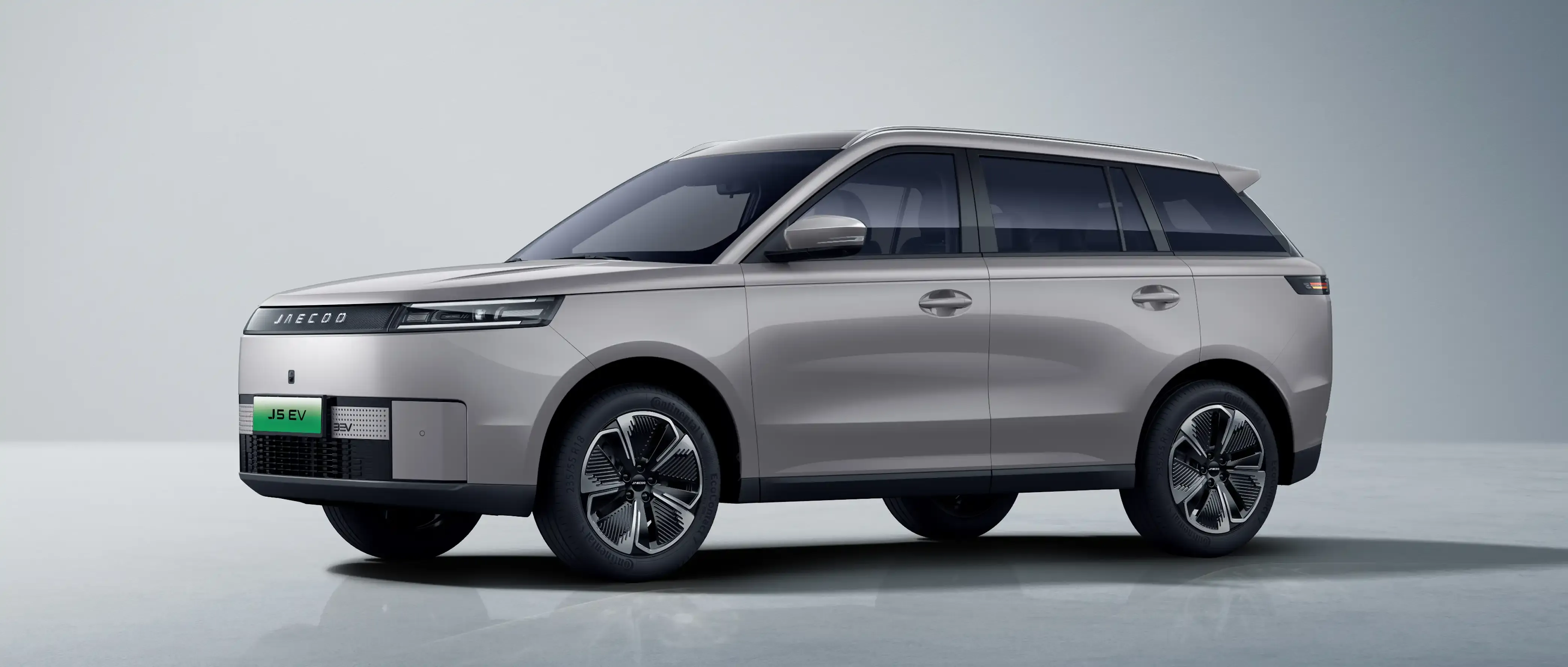
The mid-size electric SUV — the J5 as tracked here — sits in the ₹15–25 lakh battleground and faces the hardest fight in the range. That band already contains strong, well-supported, heavily localised products from Tata, Mahindra and Hyundai. Winning there requires either a clear specification advantage or a clear price advantage, and preferably both.
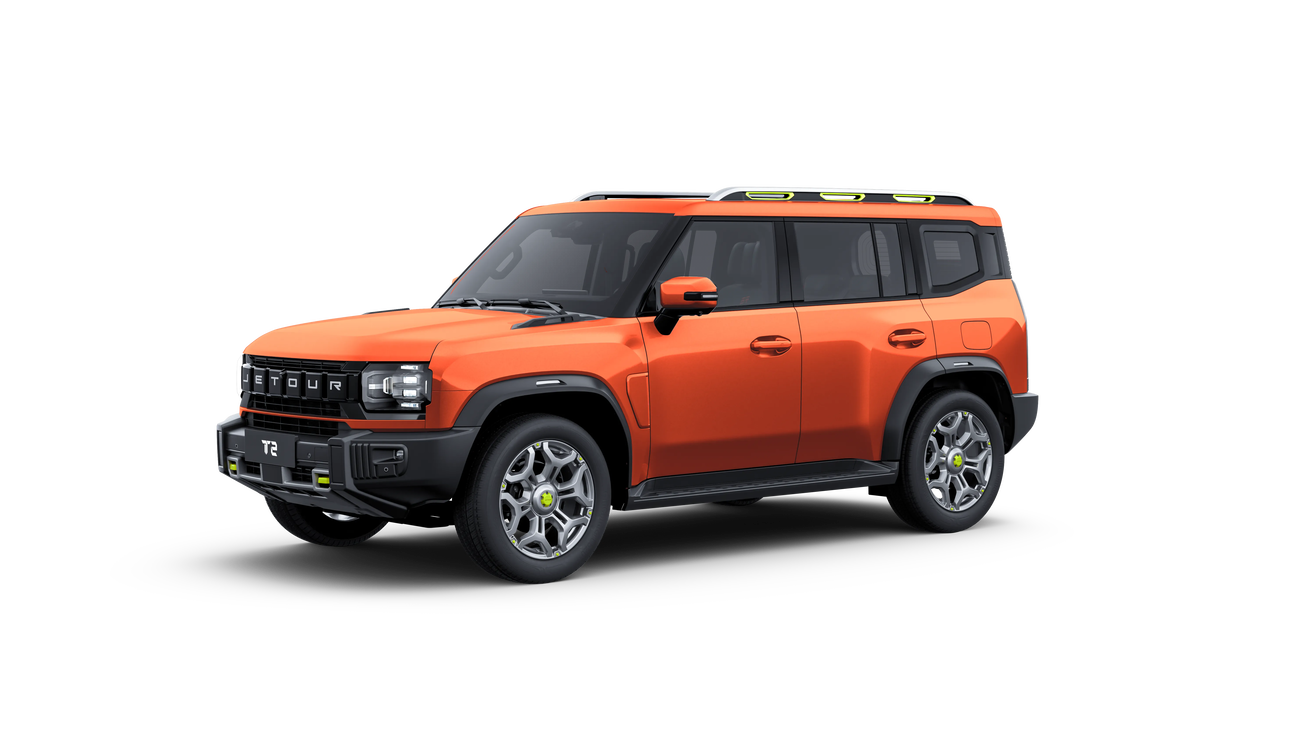
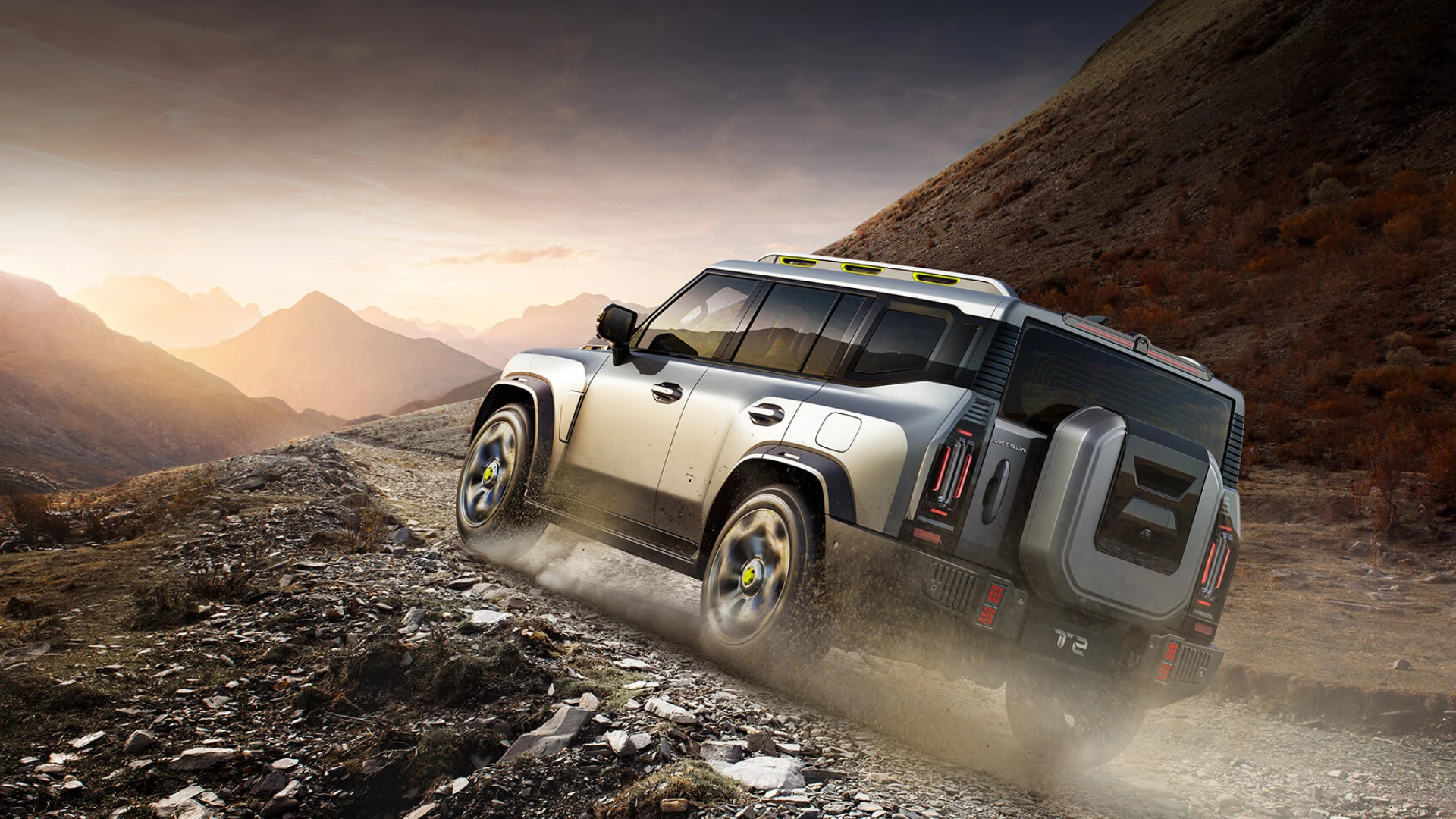
The larger adventure SUV — the T2 — sits at or above the premium threshold, where the argument is capability and presence rather than economics. Its competition is as much diesel as electric, which changes the conversation completely.
The multi-powertrain advantage, priced honestly
JSW MG's platform strategy lets it offer battery-electric, plug-in hybrid and range-extender versions of the same body. In segment terms that is a way of selling into two bands with one investment: the pure EV competes on running cost where charging exists, and the hybrid version competes on convenience where it does not.
The cost of that flexibility shows up in the price of the pure EV. A body engineered to also accept an engine, an exhaust and a fuel tank is heavier and less packaging-efficient than a dedicated skateboard, and that shows in either range or price. Against a ground-up EV rival at the same money, expect the flexible-platform car to give up a little on efficiency and cabin space and to make it up on variant choice.
Whether that trade is good value depends entirely on which variant you buy. If you were always going to buy the pure EV, a dedicated platform rival may serve you better. If the plug-in version is what suits your life, the flexible platform is the only reason it exists at all.
What a new brand has to overcome
Indian buyers price service confidence into their purchase whether they articulate it or not. A car from a brand with 400 service points is worth more to most buyers than an objectively better car from a brand with 60, and the used market enforces that judgement ruthlessly three years later.
The JSW Group's manufacturing and distribution weight helps here in a way a pure importer's would not, but network build-out takes years, not quarters. For a buyer in a metro, coverage will be adequate from launch. For a buyer in a Tier 3 city, the honest advice is to check the map before the brochure.
The second overhang is parts pricing on unfamiliar models, particularly body panels and lights, which drive insurance claim costs and therefore premiums. Early-launch cars in India routinely surprise owners here.
The takeaway
A lineup spanning ₹15 lakh to ₹30-plus lakh is a serious commitment rather than a toe in the water, and the platform flexibility behind it is a rational answer to a market nobody can forecast confidently.
For buyers, the practical read is straightforward: judge each model against its band's rivals, not against the lineup's ambition. The compact car is competing on character, the mid-size SUV on value against very strong incumbents, and the large SUV on capability against diesel. Those are three different arguments, and only one of them has to convince you.